Barbershop is great for conferences?
In my first blog post, I wrote about many different things. People seemed most interested in my work in singing, so today I'm going to go deeper on my experience, and I'll explain what the heck Barbershop music is and why it's great for meeting people.
Note: This article includes photos of me prior to transition. I'm happy to be open about my past, as advocacy and education are important to me, but please don't expect other people to be as open with their own life stories. Every journey is unique and some remain personal.
My history as a singer
It started with musical theatre
I've been performing for as long as I can remember, but things really kicked off in the seventh grade, when my singing teacher asked me to audition for her musical, "Pirates of Tweed Heads", a Gilbert and Sullivan spoof. That spawned a 10+ year career in musical theatre, and because of my bossy creative streak I ended up seeking out leadership positions, leading to being Musical Director (as in the director of the music and singing, not the director of the musical itself, that's someone else above my pay grade though I was working towards it) for a handful of shows.
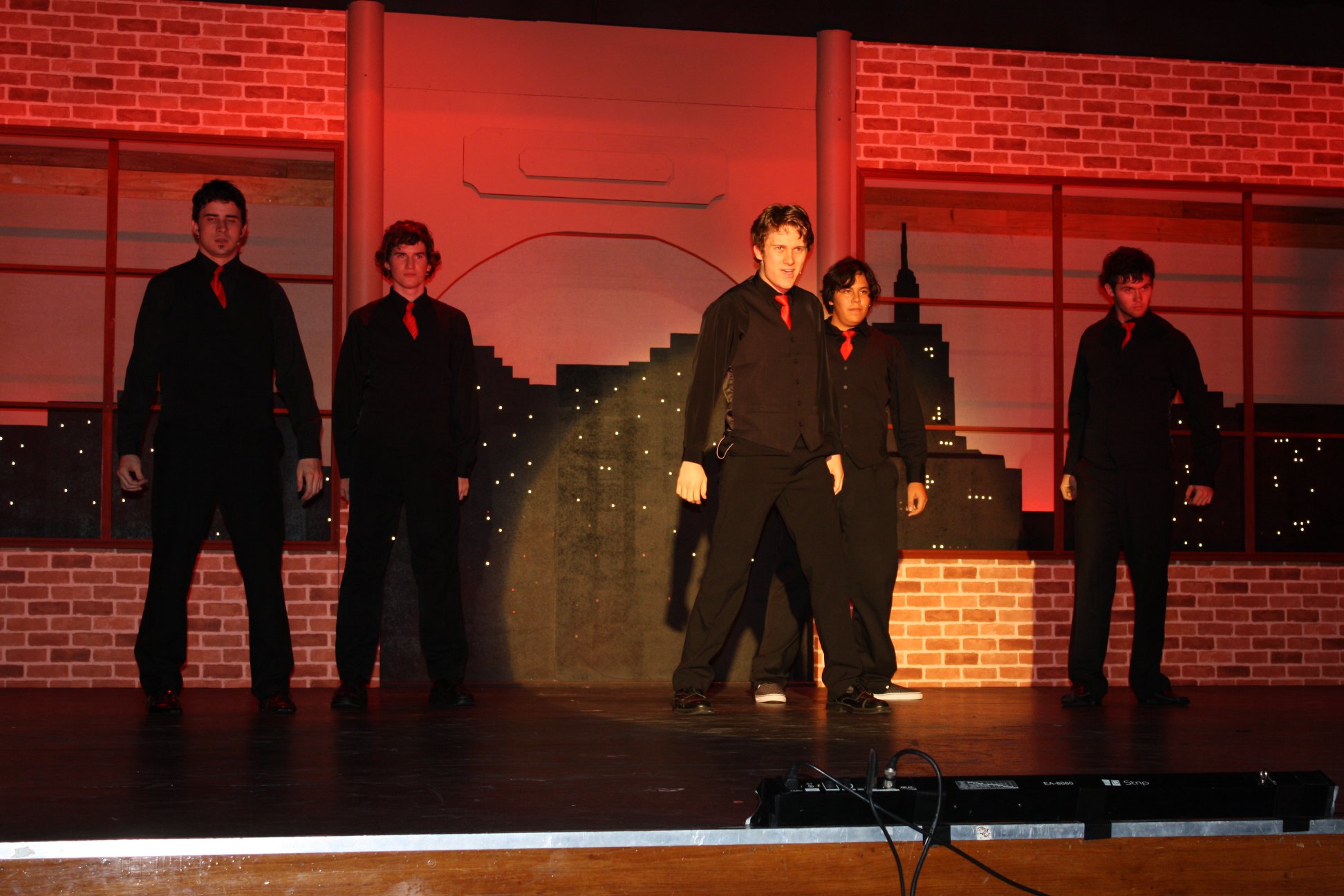
Wow, I look so weird with short hair... and a suit... and he/him pronouns...
Barbershop beginnings
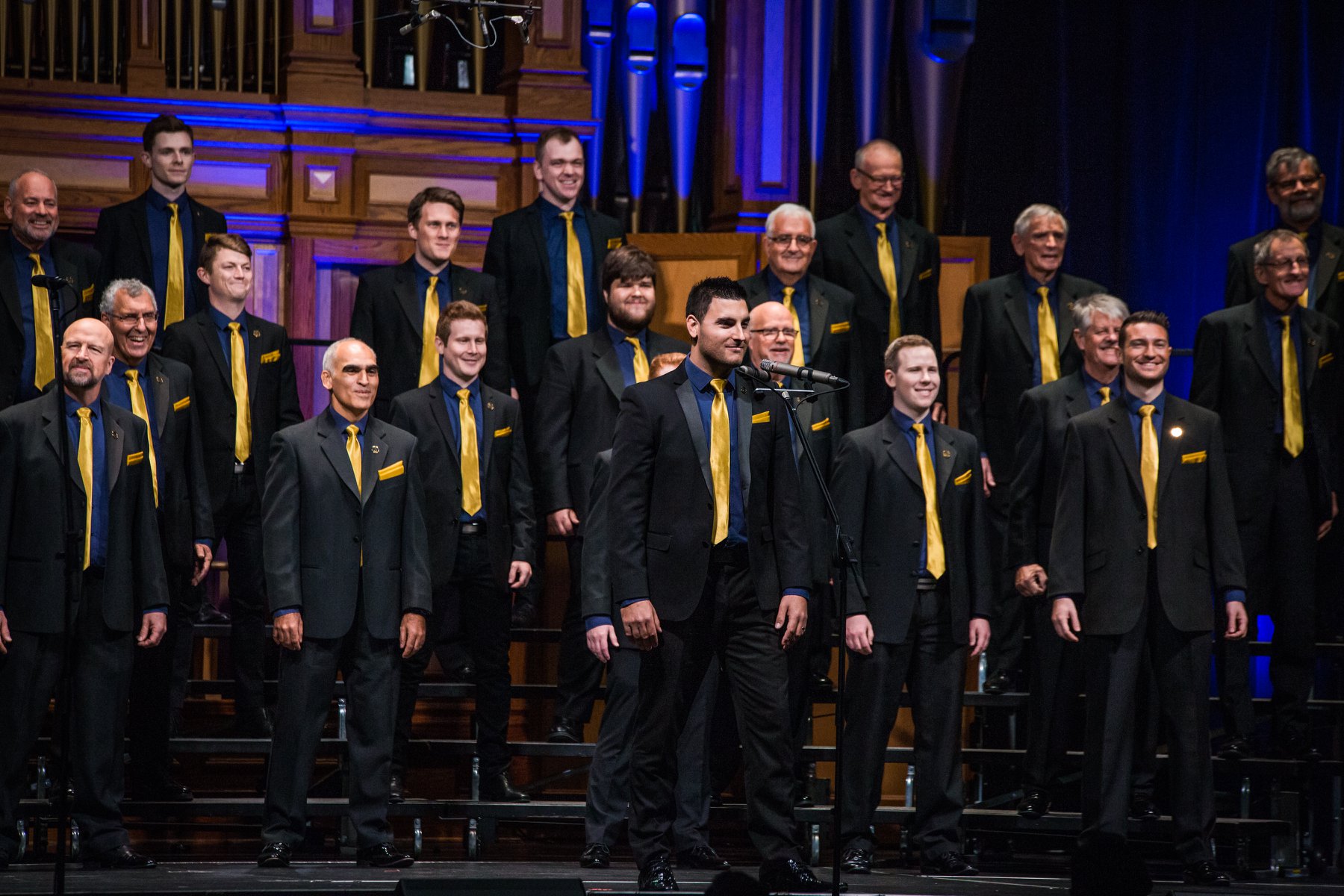
During one of these musicals, a fellow cast member told me I simplify had to try his choir, The Blenders Youth Chorus (BYC). I obliged, and fell in love with barbershop and a cappella. I became a member of BYC and also the larger Blenders, and again found myself rising the ranks from music team contributor to leader of the Lead section to Assistant Music Director (AMD). For a while, I also ran a business teaching singing ("Vocal Sensei" it was called). I even became Director of another a cappella choir, Voice Weavers, right up until I made the life-changing decision to move to Perth.
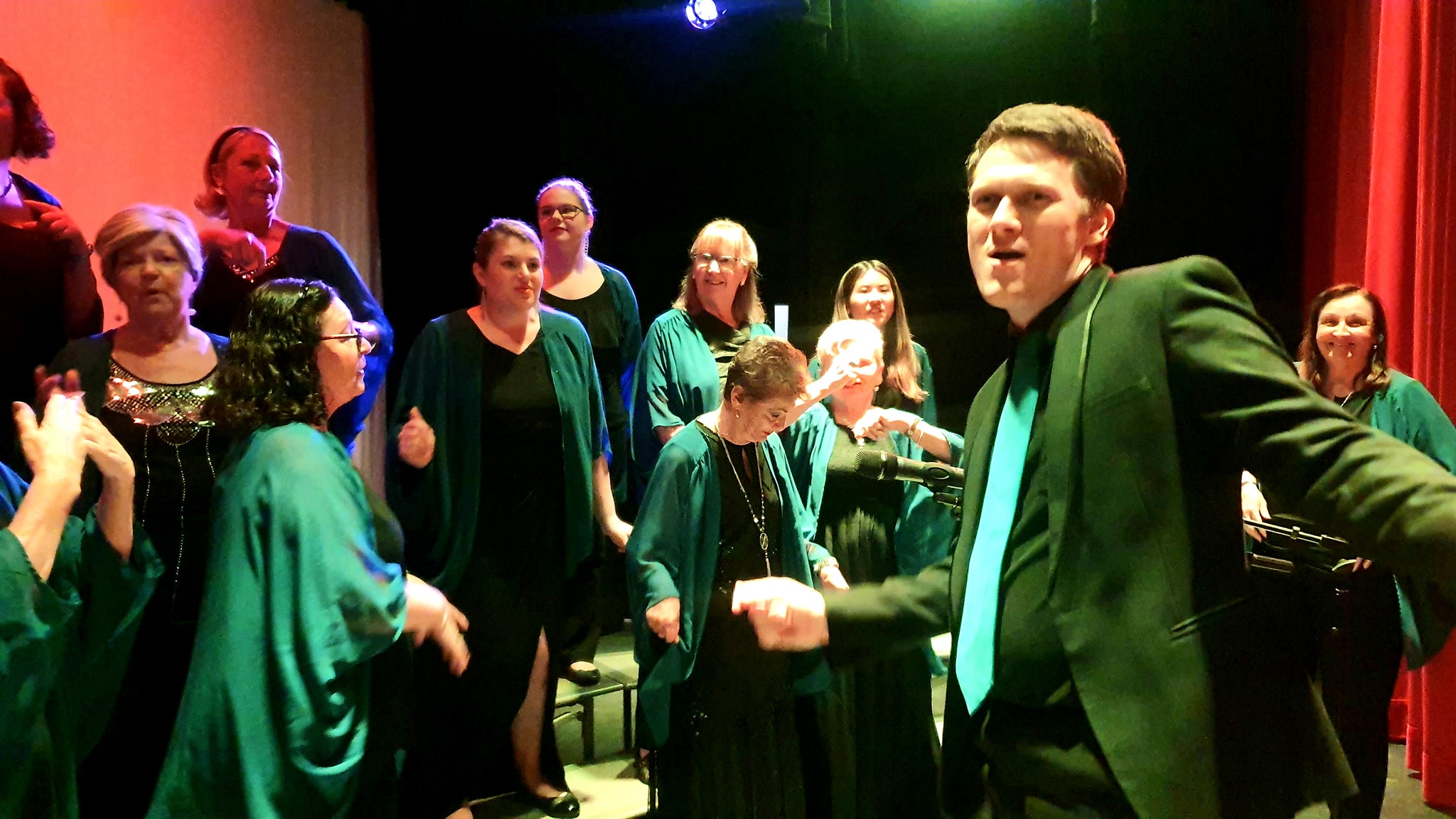
Moving to Perth
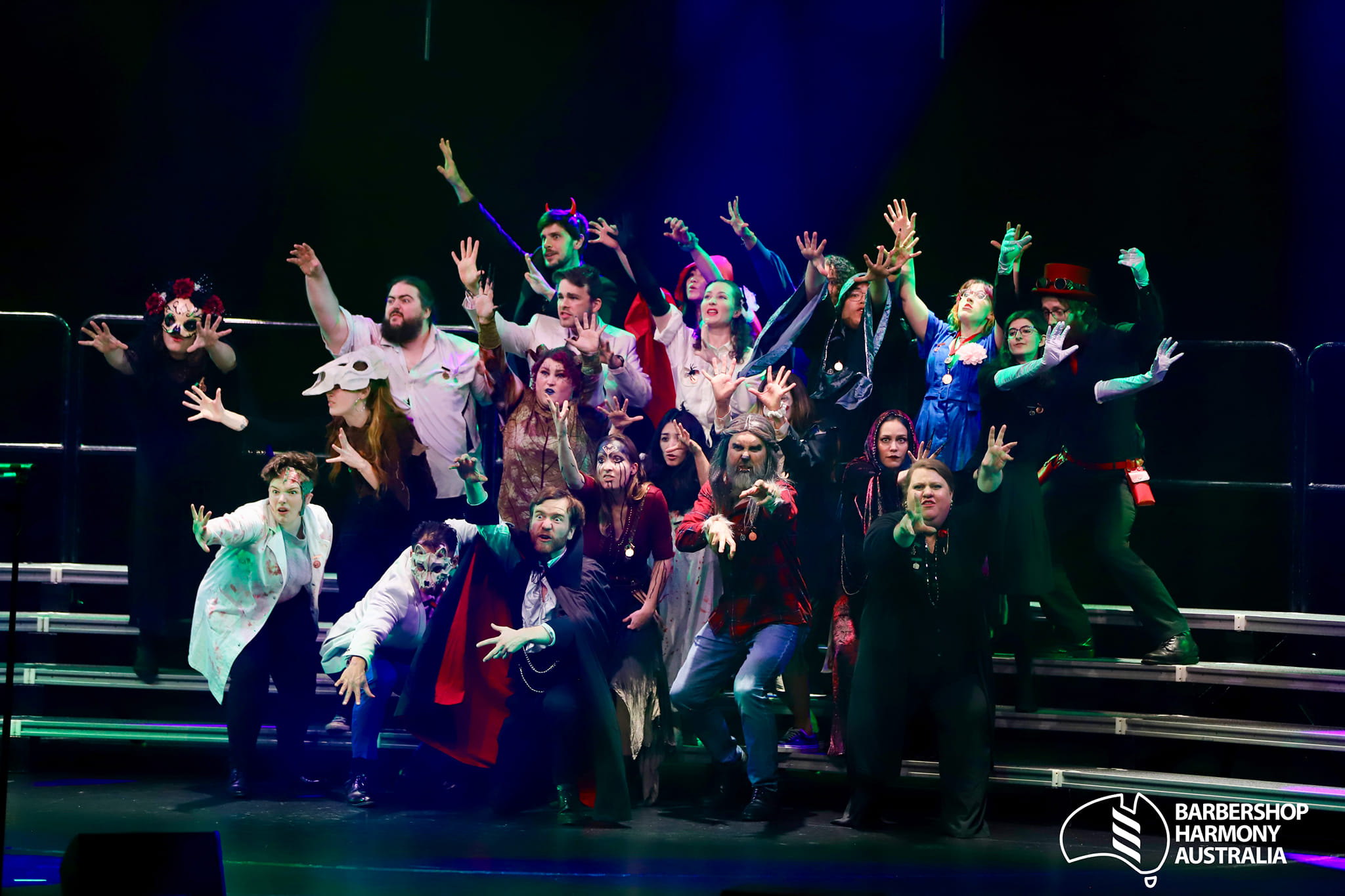
My mum asked me if I knew what I was going to do once I moved to Perth. Did I have friends? Hobbies? In almost a panic, I knew there was at least one thing I had to do - I googled "The Baden Street Singers". I had seen them at the Barbershop national festival, a young, talented, mixed-gender group of singers. I booked my audition for the day after I flew to Perth, I started rehearsals the week after that, and another few weeks later I performed with them at their planetarium concert "Under the Stars: Part 2".
My time with Voice Weavers had been stressful near the end, with the threat of covid we'd switched to online rehearsals, and Zoom was challenging. I think if I'd stuck around, I'd have reached the light at the end of the tunnel, but the downside of leaving for Perth when I did was closing that chapter at the toughest point rather than seeing it through. Deflated and lacking confidence, I wanted to remain "just" a singer for a while once I joined Baden Street. But I couldn't help myself. Before I knew it I was on music teams and committees and assisting the Director again.
I'm currently deciding what I'll do musically for 2025 - will I slow down and just sing for a while, ramp things up and become more involved in the music team or some other music project, or take a break entirely? If I do, I'm sure it won't be for long...
What the heck is barbershop singing?
Barbershop music is a subgenre of a cappella (think "2 P's, 2 L's, 2 words" and you'll remember the spelling forever). A cappella ("in the style of the church" in latin/italian) is a style originating in ancient cathedral music, and has come to mean "singing without other instruments or accompaniment". The type of pop a cappella you see in Pitch Perfect is called "contemporary a cappella", and has some things in common with modern barbershop singing but is its own style.
The genre has a few key features (that rarely differ, because the competition scene has a fairly strict definition):
- There are always four vocal parts (even for barbershop choirs), called Tenor, Lead, Baritone, Bass (in barbershop, these terms are gender-neutral).
- The melody part is entirely in the Lead (or the Baritone)
- The four parts work together to tune incredibly precisely, aiming to align overtones to produce more overtones, often sounding like a magical "fifth note"
- The style is almost entirely lyrical (as opposed to contemporary a cappella which is known for heavier use of doos and dahs etc), and treats the lyrical meaning with care and consideration
At this point, you may be picturing some old dudes in boater hats. The hats rarely make an appearance these days (though Disneyland insist on keeping the stereotype alive), and while there are still plenty of oldies, there are also loads of younger people, and the style itself has a tendency to be powerful and athletic at times. The history of barbershop is long and colourful, but suffice it to say that in 2024 in Australia barbershop can be sung by anyone.

How barbershop can help you meet people
The barbershop tag
To understand why barbershop is so fantastic for bringing people together, you need to know what a barbershop "tag" is. A tag is essentially just the outro to a barbershop song, with added drama - usually with lots of long, held notes, they can be soft and ballady but have a tendency to be high and loud! Importantly, tags have the special feature that they can easily be unplugged from the rest of the song and sung separately (here's me singing Let It Go, one of my favourite tags). In fact, some people write tags without bothering to write the rest of the song!
Tags in barbershop culture
The fact that tags are short and snappy makes them a breeze to teach, and the fact that they're often high, loud and athletic makes them appealing to the young and the competitive - which is especially helpful when targeting Australian males, who otherwise have the incorrect opinion that singing is somehow "wimpy".
I've hinted at the fact that barbershop has a competitive scene. We have state/regional, national and international events to find the most accurate, most interesting and most heart-felt performers around. But the convention also comes with its own built-in night-life! The "afterglow" events each night of a conference are filled with beer and tags. Many tags are so well-known that you'll regularly find singers from across the globe that already know how to sing them and if they don't, you can easily teach them. In a matter of minutes or even moments, you could be singing alongside the international gold medalist (I wish I had a link to share, but I promise it happens all the time).
Karaoke as a networking tool
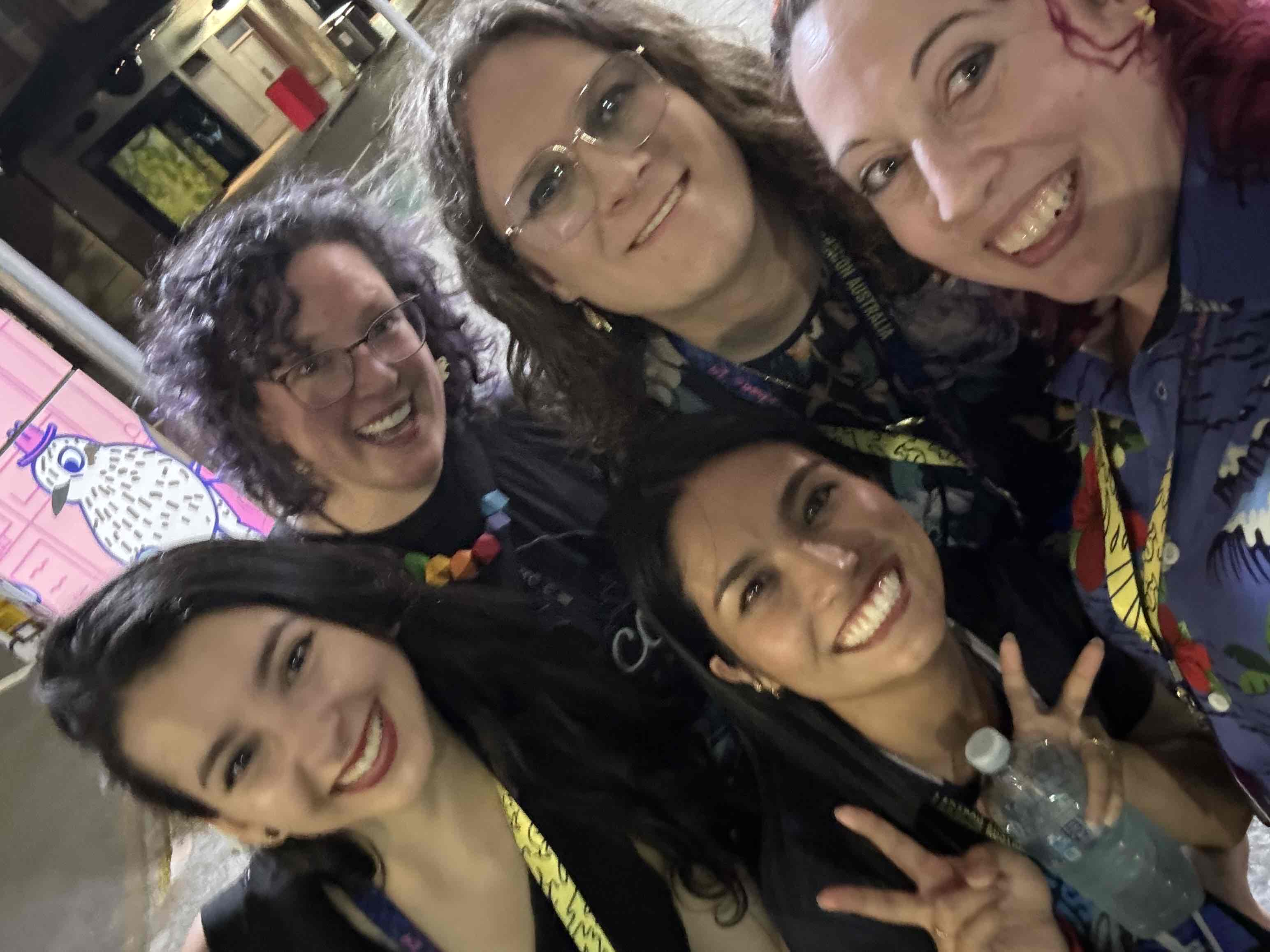
I've attended Laracon AU twice, and already Jade Edward and I have kind of become the "karaoke queens". We set the vibe by singing a few songs ourselves, then people slowly start to join the session. It is a great way to meet people, and people are more likely to remember you if you do something a little different to the norm. The downside of karaoke is that it's primarily an activity for one or two people to be the focal point, with very little time to chat between songs.
Tags as a networking tool?
Hopefully by now you're seeing the potential. Tags are an ideal tool for engaging and encouraging potential singers, and they work well with any size group. I'll admit, I haven't really tried tags outside of a singing context, but I'm keen to push the boundaries, both as a way to network and to get more of the world singing!
So, next time you see me at a conference, ask me to sing a tag with you! And don't be too surprised if I ask you first...
P.S. One last thing!
I couldn't publish this without giving you another example and a little bit of homework. Have a go at learning Smile, one of the easiest and best tags. The Tenor or Lead are probably the easiest parts, but feel free to learn any or all of them based on your range or pure vibes!